Table of Contents
What Is “Digital Marketing in Healthcare”?
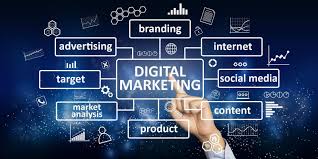
Digital marketing in Healthcare is the use of digital means to showcase healthcare services to people. This includes the use of online channels through content and digital marketing tools and emails to connect with patients who are in need of their services.
Why is digital marketing in healthcare Important in Today’s World?
The world has gone digital ,any business or services that refuses to go digital would probably become invincible and die slowly, so is the healthcare services considering how important healthcare services are to humanity. which is why, every healthcare services has to go digital to reach people who needs their services most.
Digital marketing in healthcare transforms how providers connect , educate, and care for patients. By leveraging online channels such as search engine optimization (SEO), informational content, targeted email marketing, and social media. Healthcare organisations can reach individuals precisely through digital means when actively seeking medical guidance or specialized services.
Healthcare in this age and time, has gone beyond clinic visitations and in-person consultation, people prefer to go into their phones and google the best clinic, read reviews about hospitals on google ,book appointments online and even get diagnosed or treated online through telemedicine.
People Also Love : SEO Misconceptions in Lagos: What Every Small Business Owner Needs to Know
Digital marketing in healthcare is undeniably essential for modern medical practices, hospitals, and wellness providers for several key reasons which includes the following:
- Meeting Patients Where They Are:Over 80% of healthcare inquiries begin with an online search. Modern patients research symptoms, specialist qualifications, clinic reviews, and treatment options online before booking an appointment. Without a digital presence, even high-quality medical services remain invisible to those seeking immediate help.
- Fostering Human Connection and Trust: Unlike standard commercial advertising, healthcare marketing relies heavily on empathy and credibility. Educational content such as wellness guides, physician introductory videos, and clear explanations of medical procedures humanizes healthcare professionals, alleviates patient anxiety, and builds trust before a patient even steps into a clinic.
⦁ Improving Healthcare Access and Continuity: Digital channels streamline patient onboarding through online scheduling, automated appointment reminders, and virtual consultation options. Continuous communications, such as targeted follow-up emails and educational newsletters, help manage chronic conditions, promote preventative care, and improve long-term patient retention.
⦁ Data-Driven Practice Growth: Traditional marketing methods offer limited visibility into patient engagement. Digital marketing platforms provide measurable metrics such as patient acquisition costs, appointment conversion rates, and website traffic source tracking enabling healthcare facilities to allocate resources efficiently and expand their reach responsibly.

Digital Marketing in Healthcare: Companies That Use It vs. Companies That Don’t
| Aspect | Companies Using Digital Marketing in Healthcare (e.g., Cleveland Clinic, Mayo Clinic, CVS Health, Aetna) |
Companies Not Using Digital Marketing in Healthcare (typical of small independent clinics, older private practices) |
|---|---|---|
| Patient acquisition | SEO-optimized content, paid search, and social ads drive steady inbound leads and “near me” searches | Relies on referrals, walk-ins, and local reputation; limited reach beyond existing patient base |
| Brand positioning | Uses emotional storytelling and patient-centered messaging, such as Cleveland Clinic’s “Empathy: The Human Connection” campaign, to build trust and engagement | Brand identity is often undefined or inconsistent; little control over online perception |
| Content strategy | Publishes educational blogs, videos, and community platforms; Mayo Clinic Connect lets members share experiences directly on the platform | Little to no original content; patients get information only during in-person visits |
| Reputation management | Actively manages online reviews, which matters since most healthcare consumers factor reviews into choosing a provider and many use reviews as their very first step | Reviews go unmonitored or unanswered, leaving reputation to chance |
| Personalization | Sends personalized emails, SMS, and social content, and increasingly uses AI-powered chatbots to answer patient queries | Communication is generic (e.g., printed flyers, mass mailers) with no segmentation |
| Channel presence | Runs omnichannel, cross-platform campaigns spanning web, social, email, and more | Usually limited to a static website or no website at all |
| Telehealth/virtual care promotion | Actively promotes virtual care options, which matters given that more than a third of U.S. adults used telehealth in the past year | Rarely offers or advertises virtual care, limiting reach for remote or mobile-limited patients |
| Budget allocation | Maintains a dedicated marketing budget (U.S. healthcare companies averaged around $7.7 million) for growth and outreach | Little to no formal marketing budget; spending is ad hoc or nonexistent |
| Measurable outcomes | Uses analytics/conversion tracking to optimize campaigns and prove ROI as part of a broader Digital Marketing in Healthcare strategy | No tracking mechanism; growth (or decline) is anecdotal, not data-driven |
| Market growth | Benefits from a fast-growing sector — U.S. healthcare and pharma digital ad spend reached about $24.77 billion in 2025, up 13.3% year over year | Misses out on this growth and risks losing patients to competitors who are easier to find online |
Key Strategies For Digital Marketing in Healthcare.
Digital marketing undoubtedly ,plays a vital role in modern healthcare . Here is a breakdown of the key strategies medical providers can use to connect with patients:
Targeted Advertising: Reaches the people who need your services most, making efficient use of your marketing budget. However, compliance is essential: under the federal Health Insurance Portability and Accountability Act of 1996 (HIPAA), patient information must never be disclosed in marketing materials without explicit consent.
Social Media Marketing: Platforms like Instagram, Facebook, TikTok, and X (formerly Twitter) allow providers to share helpful, educational, and engaging content. Building an active social presence helps build trust, educate the public, and attract new patients seeking specific care.
Email & SMS Marketing: Direct communication keeps patients informed through appointment reminders, scheduling updates, and follow-ups. Healthcare practices can also use these channels to share wellness tips, first-aid advice, and practice updates. Personalizing messages based on audience demographics, such as age, ensures content stays relevant and engaging.
Search Engine Optimization (SEO): Optimizing a practice’s website with relevant health topics and services improves search rankings, making it easier for patients actively looking for care to find you organically online.
Pay-Per-Click (PPC) Advertising: Running paid ads on platforms like Google or Bing places your practice at the top of search results for specific keywords. Unlike organic SEO, PPC campaigns generate immediate traffic as soon as they launch, connecting providers quickly with people seeking urgent or specific treatment options.
In Conclusion, By combining these digital marketing strategies balancing immediate visibility through PPC with long-term organic growth via SEO, social media, email, and targeted ads, healthcare providers can build a strong, trustworthy online presence.
When executed with a clear focus on patient privacy and HIPAA (Health Insurance Portability and Accountability Act )compliance, a well-rounded digital marketing plan not only attracts new patients, but also improves health literacy, strengthens patient engagement, and drives sustainable growth for the practice.